Kyle / TX

Lead Paint Encapsulation in Kyle, TX

Kyle Lead Paint Removal offers lead paint encapsulation in Kyle, TX, an option for pre-1978 houses whose old paint is still firmly attached. An encapsulant coating bonds to the paint and seals it in; enclosure hides it behind something solid, like gypsum board, paneling or replacement siding. Either way the lead becomes inaccessible while staying where it is, which a standard repaint cannot promise.

Regulation depends on the purpose. Under the federal definition in 40 CFR 745.223, permanent encapsulation or enclosure designed to eliminate lead-based paint hazards is abatement, so in Texas it needs a DSHS-certified firm and the seven-working-day notice to DSHS; done as part of a remodel or as a temporary measure, it falls under the EPA renovation rule instead. We look at whether a barrier makes sense for older homes in Kyle and surrounding communities, including San Marcos and Lockhart.

Ask whether encapsulation fits
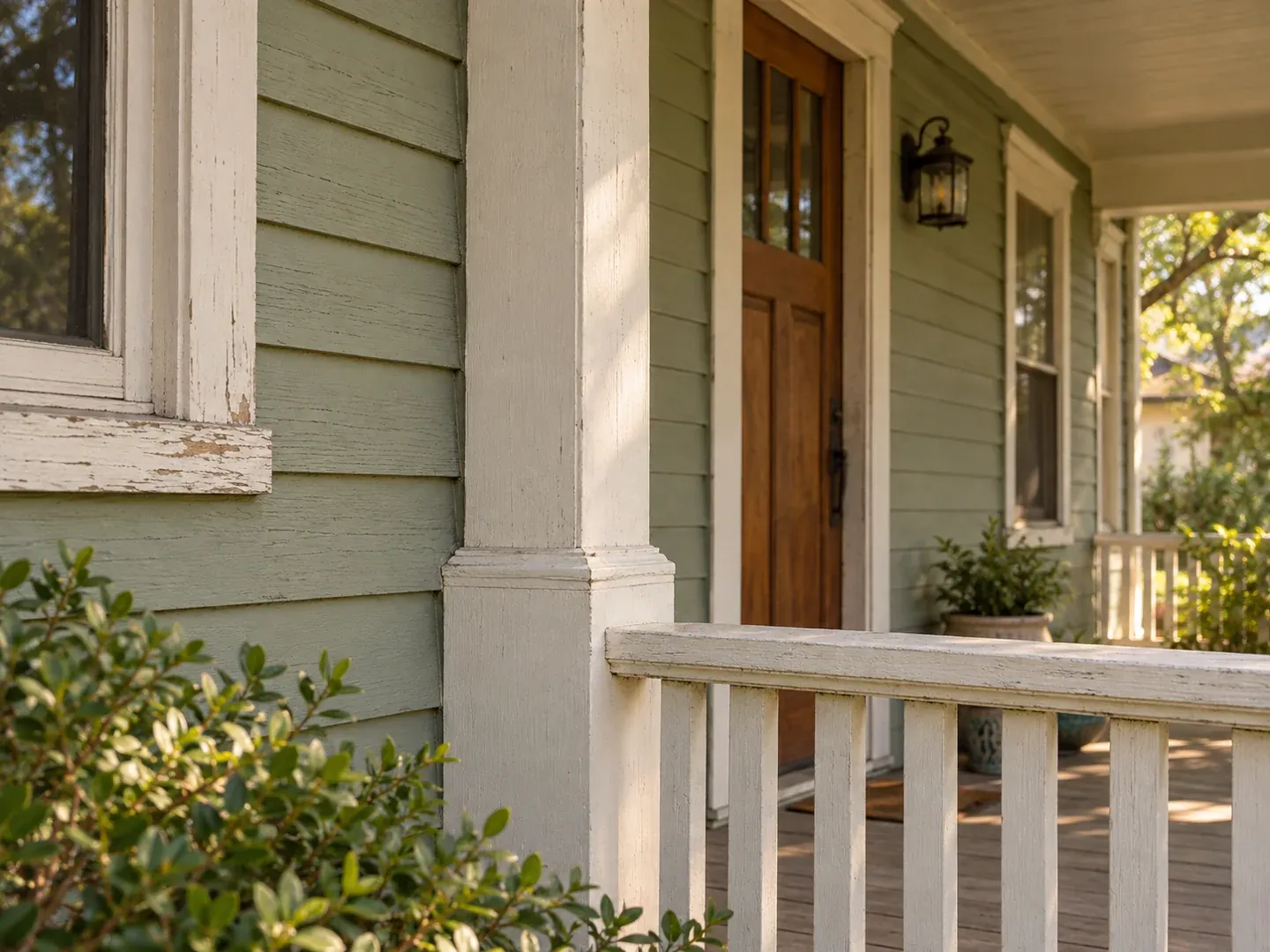
Painted wood siding, porch post and railing beside a wood entry door

Encapsulation and enclosure options

Encapsulant coatings

An encapsulant is a thick liquid coating, such as an acrylic or epoxy product, built to bond to existing paint and form a barrier. It only works if the paint beneath is firmly attached, since the coating is no stronger than the layers it sits on, and a test patch shows whether it will hold. Sound walls, ceilings and trim are the candidates.

Clear and pigmented encapsulants

People search for clear encapsulants and encapsulating primers. Pigmented encapsulants look like heavy paint and change the color; clear products are meant for places where an original finish or stained wood should show. A primer sold as a sealer is not necessarily an encapsulant, so check that a product is made and labeled for lead encapsulation and follow the maker’s preparation steps. We do not endorse brands; the right product depends on the surface and its test results.

Enclosure

Enclosure puts a durable layer over the lead paint: new drywall over a painted plaster wall, paneling over wainscot, vinyl or wood siding over painted lap siding, or vinyl tile over a painted floor. The U.S. Department of Labor lists systems like these as ways to make lead paint inaccessible. Fastening them still disturbs the old surface, so drilling and cutting are done with lead-safe practices.

When removal is the better choice

Encapsulation is a poor fit where paint is peeling, cracking or flaking, because a coating cannot hold loose layers together. Surfaces that rub or take impact, such as window sashes, door edges, stair treads and porch floors, wear through coatings. For those, stripping or replacing the part tends to last longer. A surface you plan to sand, cut or demolish soon is also better removed.

Maintaining encapsulated surfaces

Encapsulated or enclosed lead paint is still there, so treat it as a known condition. Look over coated areas from time to time for chips, scuffs and water damage, and repair breaks promptly. The Department of Labor advises that the owner supervise maintenance and contract workers near enclosed or encapsulated paint. A later remodel that cuts into those surfaces in a pre-1978 home falls under the EPA renovation rule, and a sale or lease brings the federal duty to disclose known lead-based paint.

For surfaces too worn to coat, compare lead paint removal for older homes. Windows and doors are generally better replaced or stripped, as explained under lead-painted windows and doors. See Kyle Lead Paint Removal for the full range.

Your next step

Discuss lead paint encapsulation

Let us know the surfaces you hope to leave in place and how the paint looks up close: firm, chalky or flaking. The construction year, earlier lead results and the street address help too. We'll get back to you soon with an estimate or any questions we have. Estimates are free and there's no obligation.

Call (737) 248-7125

Call (737) 248-7125