Kyle Lead Paint Removal handles lead paint removal in San Marcos, TX, covering abatement, inspections and risk assessments, renovation to EPA lead-safe standards and encapsulation for houses built before 1978. The construction date and the surfaces involved decide which program governs a job: DSHS for testing and abatement, the EPA for renovation.
San Marcos has a much larger stock of older housing than Kyle, its neighbor along Interstate 35. The Hays County seat has about 30,350 homes, and the 2020-2024 American Community Survey dates 23.0% of them, close to 7,000, before 1980; the city’s 2018-2019 housing needs assessment put the share at 28%. Renters occupy about 69% of homes, which makes landlords and property managers a large part of the picture alongside owner-occupants.
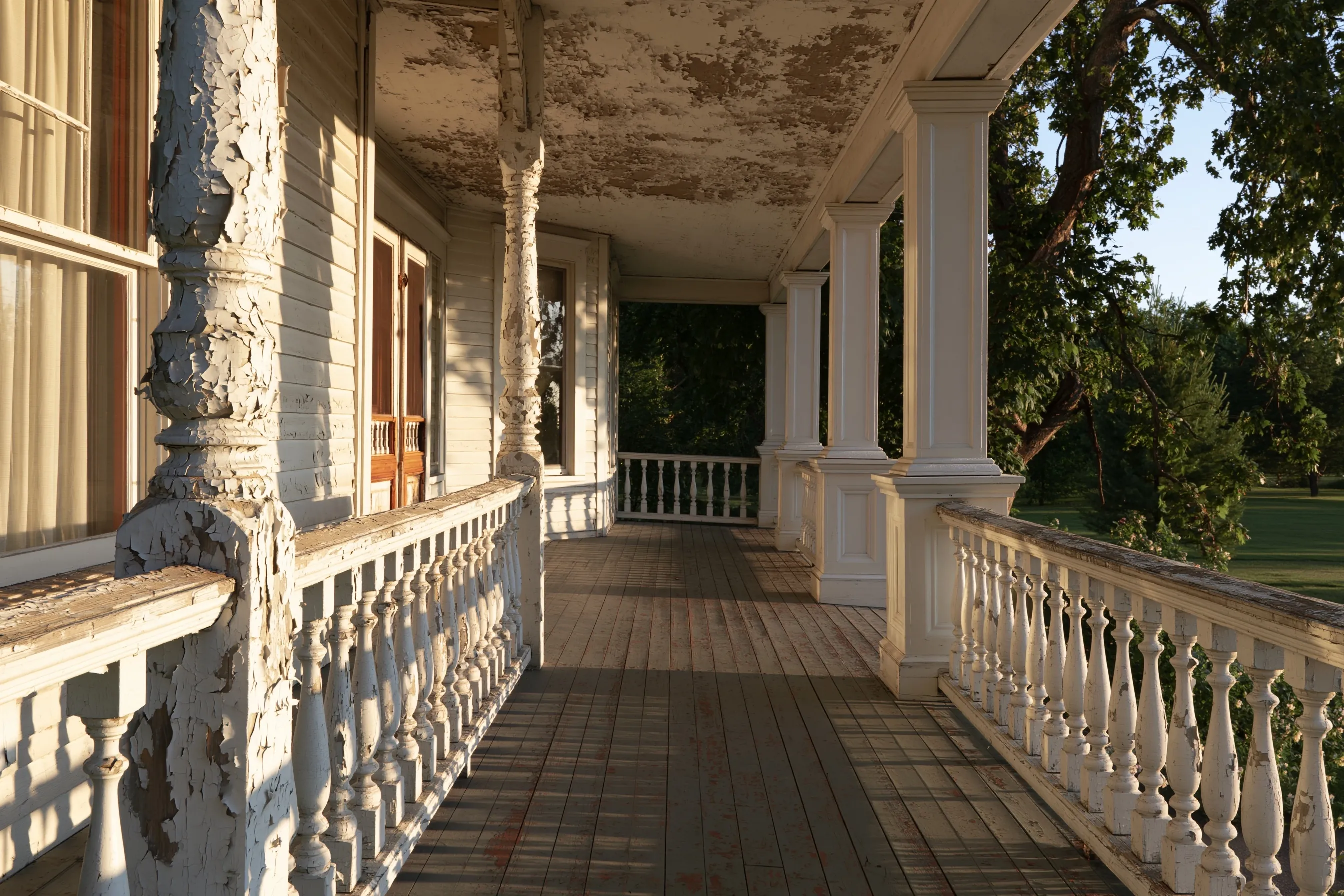
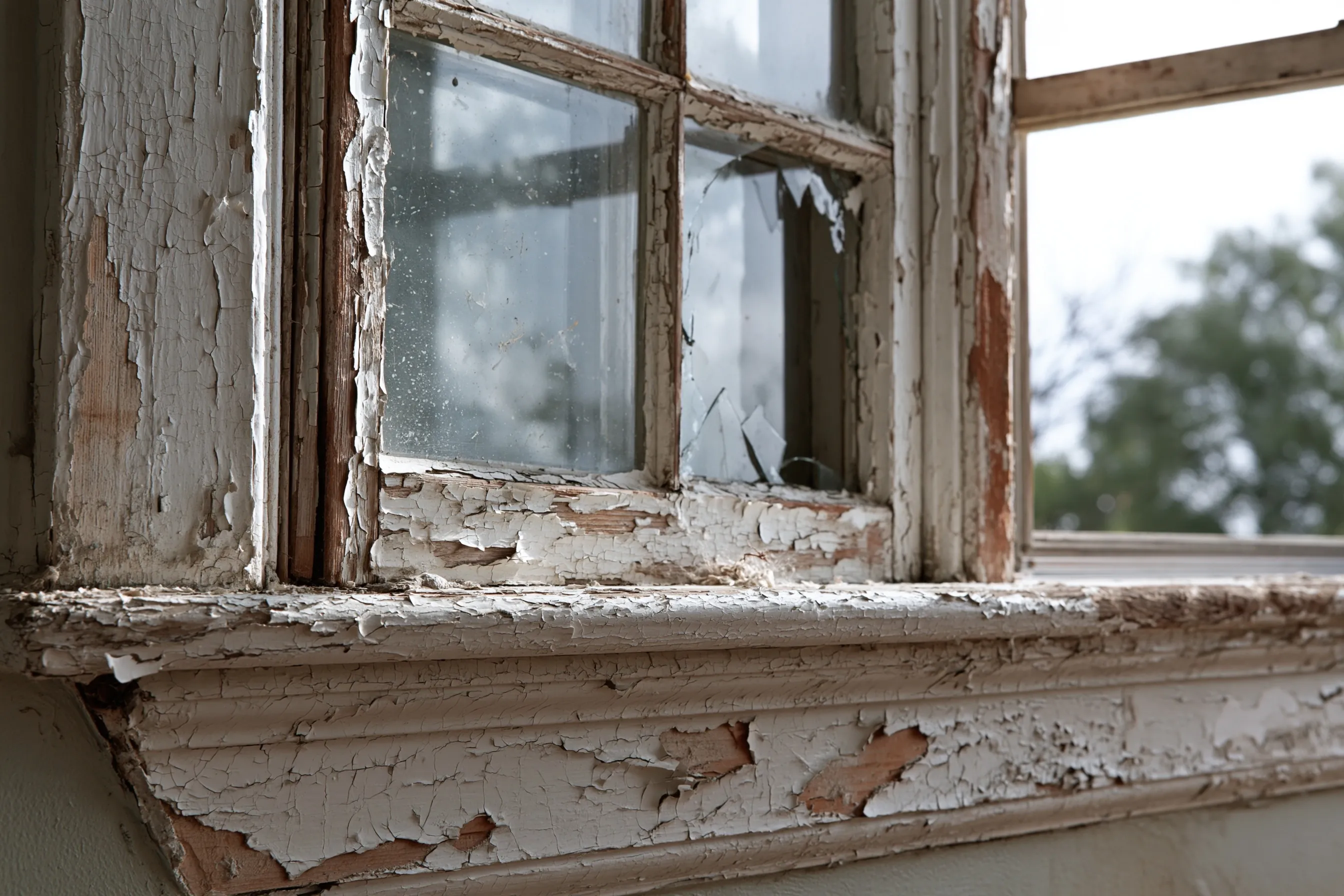
San Marcos has seven local historic districts. The city says exterior changes in a district generally need a Certificate of Appropriateness, other than ordinary repair, maintenance and painting, and gives changes in exterior windows as an example. So the method matters: stripping and repainting trim may fall under that exemption, while replacing original windows or siding becomes a design-review question. Our lead-painted windows and doors page covers the replace-or-restore decision.
Rental properties
Texas State University reported 44,596 students on its San Marcos campus in fall 2025, and the city’s renter share is high. For a pre-1978 rental the federal disclosure rule applies to each covered lease, and the EPA counts rental property owners and managers among those who must be certified to disturb paint for repairs. Work between tenancies in an older unit is where lead-safe renovation applies.
Testing and inspection
Before scraping a porch or pricing removal on an older house, find out where the lead actually is. A DSHS-certified inspector maps lead-based paint surface by surface; a certified risk assessor checks for current hazards in paint, dust and soil. Our lead paint testing and inspection page explains which suits a purchase, a remodel or a rental turnover.
Removal and abatement
Taking lead paint off a San Marcos house is regulated by the state, not the city: the firm and its crew must hold DSHS certification, the household lives elsewhere until the job is done, and DSHS hears about the project at least seven working days in advance. Exterior siding and porches, interior woodwork and full component replacement are covered under lead paint removal for older homes.
Encapsulation
For sound paint in an older house, encapsulation can keep original surfaces in place without a visible exterior change. It suits intact walls and trim, not window sashes or peeling siding. Enclosing exterior siding with new material is different: in a historic district that changes appearance and would go to the commission. Details are on the lead paint encapsulation and enclosure page.
Housing age in San Marcos
The census breakdown shows where pre-1978 work would fall. Of the roughly 6,990 San Marcos homes built before 1980, about 2,840 date from the 1970s, 1,340 from the 1960s, 1,360 from the 1950s, 740 from the 1940s and 710 from 1939 or earlier. The 1970s group is the largest, and it straddles the cutoff: a house finished in 1978 or 1979 sits in the same census category as one built in 1972, so the exact build year matters before anyone assumes the rules apply.
With so much of the city rented, a landlord with several properties may hold units on both sides of 1978. Disclosure, RRP certification and testing decisions follow each building’s own construction date, not the age of the street around it.
A buyer of a pre-1978 San Marcos house has the federal 10-day opportunity to commission a lead inspection or risk assessment, which the parties can change or waive in writing. In a historic district, a buyer who plans to replace windows or siding should also allow time for a Certificate of Appropriateness before permits. If the purchase uses the city’s homebuyer assistance, a pre-1978 home must pass a lead hazard evaluation before the loan closes.
The city designated its first local historic district, Belvin Street, in 1974 and has added six since: San Antonio Street, Downtown, Dunbar, Burleson Street, Lindsey-Rogers and Hopkins Street. The Downtown district and part of Belvin Street are also on the National Register. The Historic Preservation Commission reviews proposed changes to designated properties and meets on the first Thursday of each month.
Window changes need a Certificate of Appropriateness
The certificate must be approved before any other permits are issued. The commission can approve, approve with conditions or deny, with appeals to the Zoning Board of Adjustments, and an approval lasts two years but expires if work has not started within one. For a lead project that puts design review ahead of the renovation schedule, so settle early whether original windows will be replaced or restored.
Painting rules downtown
Outside downtown, painting falls under the general exemption for ordinary repair and maintenance. Downtown may differ: a 2019 version of the city’s development code required an administrative certificate of appropriateness for painting structures in the Downtown Historic District. Confirm the current rule with the city’s Planning department before repainting a downtown building after lead work.
San Marcos builds lead testing into its federally funded housing work. The city’s 2023-2024 CDBG report says every pre-1978 house in its rehabilitation programs is tested for lead paint hazards by a qualified firm, with the results deciding interim controls and clearance, and that homebuyer-assistance homes built before 1978 must pass a lead hazard evaluation before the loan closes. The Home Rehabilitation and Repair Program lists lead-based paint remediation as an eligible item, though its page says the program is closed while applications are reviewed. Eligibility questions go to the city.
Do I need city approval before replacing windows in a San Marcos historic district?
Generally, yes. The city lists changes in exterior windows as an example of work that needs a Certificate of Appropriateness in a historic district, and the certificate comes before any other permit. Repairs that keep the existing windows may fall under the ordinary repair exemption; confirm with Planning for your property.
Are San Marcos rental homes covered by lead disclosure rules?
Yes, for any rental built before 1978. Before a tenant signs, the landlord supplies the EPA lead pamphlet, lists known lead-based paint, hazards and records, and puts a lead warning in the lease. Exemptions are narrow: a lease of 100 days or less with no possible renewal or extension; a zero-bedroom unit, or housing for the elderly or disabled, unless a child under six lives or is expected to live there; and housing that a certified inspector or risk assessor has tested and found free of lead-based paint.
Does a 1970s San Marcos house fall under the lead rules?
Only if it was built before 1978. Census figures group 1970 through 1979 together, so check the appraisal record or original permit for the actual year. A house completed in 1978 or 1979 is outside the RRP and disclosure rules; one from 1977 or earlier is inside them unless a certified professional has found it free of lead-based paint.
Who certifies lead inspectors in Texas?
Inspectors and risk assessors, like abatement firms and their workers, hold certification from the Texas Department of State Health Services, whose Environmental Lead Program keeps a Find a Licensee search for checking a name. The EPA, not DSHS, certifies renovation contractors in Texas.
To the east, Caldwell County’s seat has an older housing stock still, with nearly four in ten homes built before 1980; see our page on lead paint removal in Lockhart.
Your next step
Request lead paint removal in San Marcos
Which San Marcos street is the house on, and when was it built? Tell us if it is rented or sits inside one of the seven historic districts, and what work you are planning. We'll get back to you soon with an estimate or any questions we have. Estimates are free and there's no obligation.